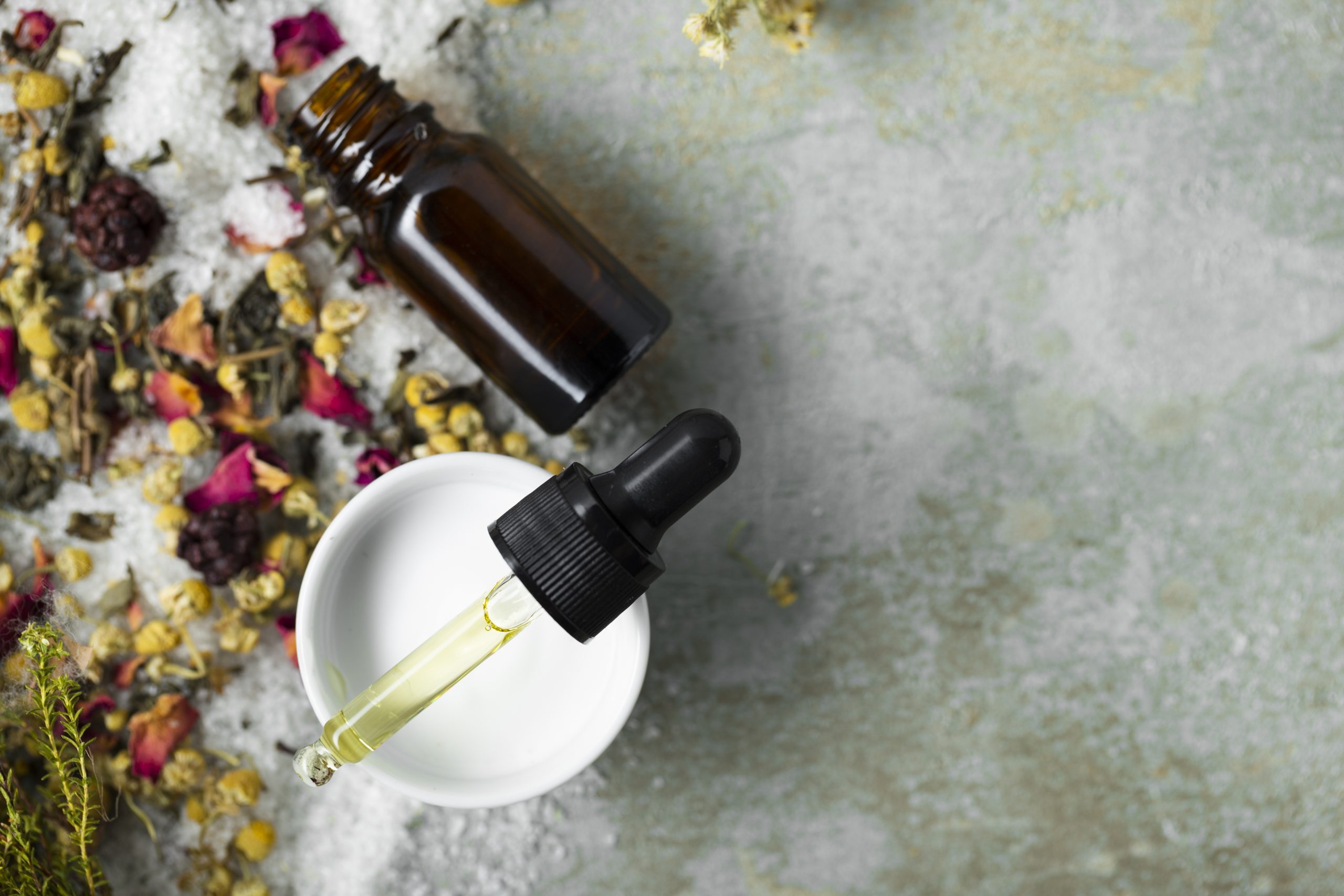
It is only natural to ask: what happens when a scent touches not only our nose, but also our soul? The psychology behind aromatherapy is more than just stress relief or relaxation — it is a deeper connection, a path of self-discovery where the quintessence, or the “soul,” of plants meets our inner world. So, what exactly is aromatherapy?
Aromatherapy has a history spanning thousands of years. Even in ancient times, aromatic plants were used—whether in religious ceremonies, mourning rituals, or for healing purposes. Aromatherapy is a holistic healing method that restores balance to the body, mind, and soul through the use of essential oils and plant extracts.
Why is this worth talking about?
When I first encountered aromatherapy and listened to an expert speak about essential oils, something deep within me stirred. They weren’t just talking about products—they spoke of the female soul, memories, and the sensitive inner world. That’s when I realized that scents are more than just pleasant aromas; they carry real messages for us.
Scents don’t just calm us—they often hold up a mirror. Sometimes, this can be uncomfortable, especially if we’re unprepared for what they evoke in us. But that’s where their power lies. They gently guide us back to ourselves, softly and supportively, if we let them.
In today’s overstimulated world, we increasingly need natural tools that gently yet effectively support us. For me, essential oils are such companions. Their presence slowly and delicately unfolds the layers of the soul.
The Effects of Scents on Body and Soul
An essential oil is the quintessence of a plant—its soul, its essence, as the French say. A single drop contains the plant’s full character, effects, and energetic properties.
On a biochemical level, these essential oils contain numerous active compounds that can specifically support our bodies. By acting on the brain’s limbic system, they directly connect to our emotions and stored memories.
“The plant is a harmonious symphony of hundreds of notes—each essential oil plays a unique tone.” —Wolf-Dieter Storl
Aromatherapy is a holistic method that supports the unity of body, mind, and spirit. Essential oils don’t just provide symptomatic relief—they help restore balance to the entire system. They find their place in prevention, regeneration, and healing, from dermatology to respiratory health and gynecology. When used mindfully with high-quality oils, they can support physical and emotional vitality—without side effects—whether in the earliest or final stages of life.
Aromatherapy in Everyday Life – Quick Tips
Over the past decade, my family has consistently turned to essential oils first, whether for stress, fatigue, wounds, or emotional lows. My children now reflexively ask, “Mom, do we have an oil for this?” —Yes, we usually do, whether it’s aromatic water, herbal oil, or essential oil. They grew up with this, and for them, it’s a completely natural tool—something I’m deeply grateful for!
Here are some simple, practical essential oil suggestions for different life situations:
- For Busy Women & Mothers:
A drop of vetiver or lavender on the wrist in the morning. Diffusing in the evening before bed helps reconnect with the present moment. - For Students & Learning:
Diffusing rosemary or lemon essential oil while studying improves concentration and memory. - For Stressful, Overwhelming Days:
Bergamot or sweet orange (alone or blended) helps ease tension and uplift the mood. - For Meditation, Relaxation & Inner Peace:
Frankincense, myrrh, or rose essential oil offers deep, meditative support for slowing down.
Essential Safety Guidelines for Aromatherapy
Although essential oils are natural, plant-based supports, improper use can cause discomfort or even dangerous side effects. Aromatherapy is a powerful yet gentle tool—but only when a few basic rules are followed:
Consult a qualified expert! Before using essential oils, always seek advice from a trained aromatherapist, herbalist, or holistic doctor.
Check contraindications! Each oil has its own specifics. Always follow the warnings and restrictions listed on the product information.
Children are not small adults! Different aromatherapy rules apply to kids. Even diluted, some adult-recommended oils should never be used on them. Certain oils (e.g., peppermint, sage, cinnamon, clove) can be particularly harmful.
Oral use is strictly prohibited in Hungary! Ingesting essential oils can pose serious risks.
Always use 100% pure, therapeutic-grade, tested (BIO, Demeter) essential oils, as these guarantee the desired effects and contain the correct percentage of active compounds. When used properly, they won’t cause unwanted side effects (e.g., nausea, headaches). Synthetic fragrances often contain irritants like solvents, which can cause reactions in some people. If needed, always consult an aromatherapy-trained doctor or aromatherapist to avoid side effects!
These solutions are just examples. Everyone has different needs, priorities, and issues. What works for one person may not work for another. Experiment to find what helps you, and don’t worry if it’s unique.
- Get a reliable diffuser!
One of the simplest and most effective ways to use essential oils is diffusion. There’s nothing more soothing than coming home after a tiring day to the gentle scent of sweet orange or lavender. Your whole family will love it! - Choose a few well-tested basic oils!
If you’re new to aromatherapy, start with versatile, safe oils like lavender, lemon, sweet orange, or tea tree. These allow you to try simple yet effective recipes—whether for diffusing or natural home solutions (e.g., cleaning, bath salts, fabric softener). - Join a supportive community!
Don’t be alone with your questions. Being part of a community where experts answer and others share experiences helps you use essential oils more safely and confidently.
Scientific Background
Essential oils enter the bloodstream within minutes through the skin, exerting systemic effects on the whole body.
Research confirms that:
- Lavender reduces anxiety, improves sleep, and harmonizes the nervous system.
- Frankincense has anti-inflammatory and neuroprotective properties.
- Vetiver may help ease symptoms of attention disorders, especially in children.
- Bergamot and sweet orange are effective in stress relief.
Plant compounds work in complex synergy, meaning they enhance each other’s effects. This is why essential oil blends are often more effective than single oils.
A Single Drop Can Be Enough
I know change can be hard, especially when you need it most. But sometimes, the first step is just a breath away. A drop of nature, a deep inhale and your body and soul respond. Don’t strive for perfection, just begin. If you’re facing deeper emotional struggles, always seek professional help and aromatherapy can complement your journey.
References:
- Ali, B., Al-Wabel, N.A., Shams, S. et al. (2015). Essential oils used in aromatherapy: A systemic review. Asian Pacific Journal of Tropical Biomedicine. https://doi.org/10.1016/j.apjtb.2015.05.007
- Koulivand, P.H., Ghadiri, M.K., Gorji, A. (2013). Lavender and the Nervous System. Evidence-Based Complementary and Alternative Medicine. https://doi.org/10.1155/2013/681304
- Moussaieff, A., Mechoulam, R. (2009). Boswellia resin: From religious ceremonies to medical uses. Journal of Pharmacology. https://doi.org/10.1007/s10787-009-0015-4
- Goes, T.C.F. et al. (2012). Effect of sweet orange aroma on experimental anxiety in humans. Journal of Alternative and Complementary Medicine.